What the golden age got right that we've mostly forgotten
Between the wars, aviation was genuinely dangerous and somehow more alive. That tension produced something we haven't managed to replicate.

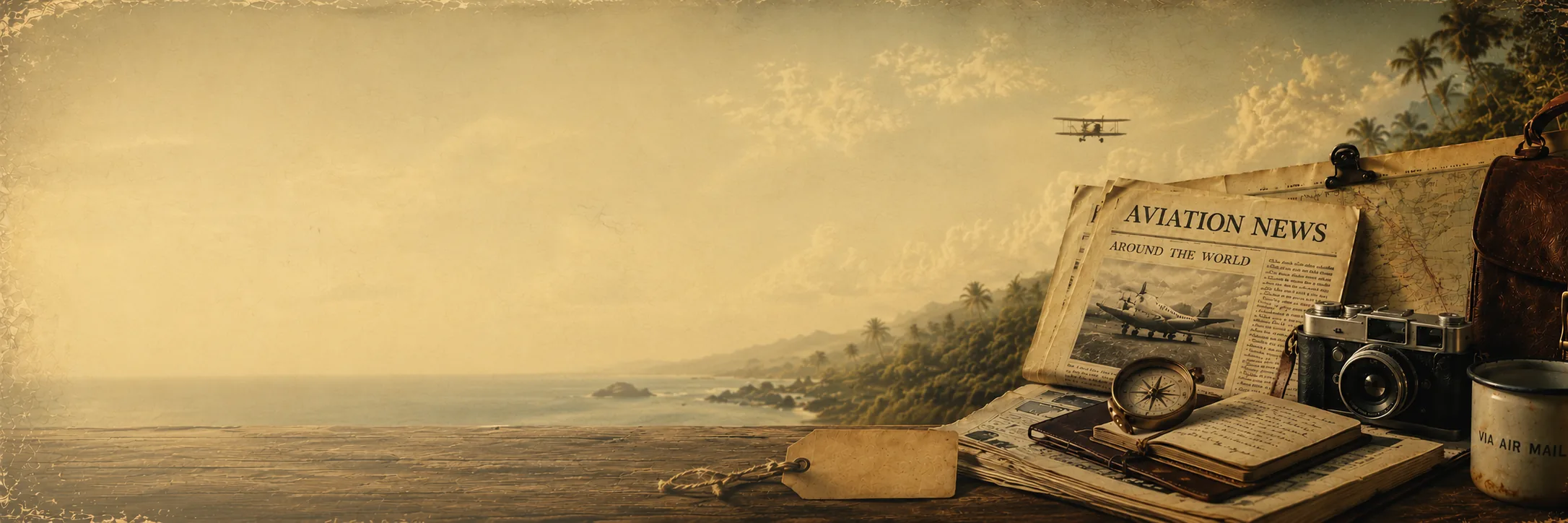
The pilots who flew in the 1920s and 1930s didn't have GPS, weather radar, or a dispatcher checking their paperwork. They had a map, a compass, and a pretty good chance of dying. And yet the era produced more romantic, more celebrated, more genuinely curious aviators than any period before or since.
That's not nostalgia talking. It's a structural observation.
Risk made it mean something
When Lindbergh crossed the Atlantic in 1927, he did it with no radio, a periscope instead of a forward windshield, and sandwiches he didn't eat. The risk wasn't incidental to the achievement. It was the whole point. The public understood that, and they treated pilots accordingly.
Today we've engineered most of that risk out of the cockpit, which is objectively good. But something went with it. Flying a Citation Mustang IFR across the Gulf Stream on a clear evening is genuinely beautiful, and I never take it for granted. Still, the cultural weight that used to attach to aviation has drifted toward other fields. Space, maybe. Tech startups, briefly. The cockpit stopped being the frontier once the cockpit became reliable.
The machine was the pilot's partner
Golden-age pilots had a relationship with their aircraft that modern automation makes harder to sustain. A Ford Trimotor or a DC-3 would tell you everything through your hands and seat. You felt turbulence, engine roughness, and control response as direct physical information. The airplane was not managing itself.
I'm not arguing against glass cockpits or autopilots. They make IFR operations safer and reduce workload at the wrong moments. But a pilot who lets the automation do most of the flying for most of the hours loses something. The stick-and-rudder instinct dulls. The golden-age pilot had no choice but to stay sharp. We have to make that choice deliberately now, and most don't.
What the aesthetics were actually saying
The leather jackets, the silk scarves, the streamlined art deco terminals at places like Tempelhoe or the original Miami Municipal, none of it was affectation. It was a visual language that said: this matters, this is serious, this deserves ceremony. LAX today processes fifty million passengers a year through a building that feels like a bus depot with overpriced sandwiches.
When aviation was young, the people building the airports and designing the uniforms and commissioning the posters understood they were doing something worth celebrating. That confidence produced beautiful objects and beautiful spaces. We lost that confidence somewhere around the time flying became ordinary.
What it asks of pilots today
The golden age can't come back, and honestly it shouldn't. The death toll was staggering. But the attitude, the deliberate relationship with the machine, the sense that what you're doing deserves your full attention and a little ceremony, that's portable. Carry a paper sectional sometimes. Fly the approach raw data. Know your airplane well enough that the autopilot is a tool, not a crutch.
The sky hasn't changed. The responsibility to take it seriously is still there if you want it.